

As teens gear up for back-to-school, sports, and college move-in, parents are being urged to stay informed about a rare but potentially devastating illness: meningococcal disease. Often referred to as bacterial meningitis, this condition can progress with alarming speed, making awareness and proactive healthcare conversations essential for families sending young adults off to campus.
It is uncommon but serious with devastating consequences. While many children are vaccinated against meningitis, this specific strain is usually not included. Dr. Michael Molopsky lends his expertise, advising why this disease is so serious and not to be taken lightly.
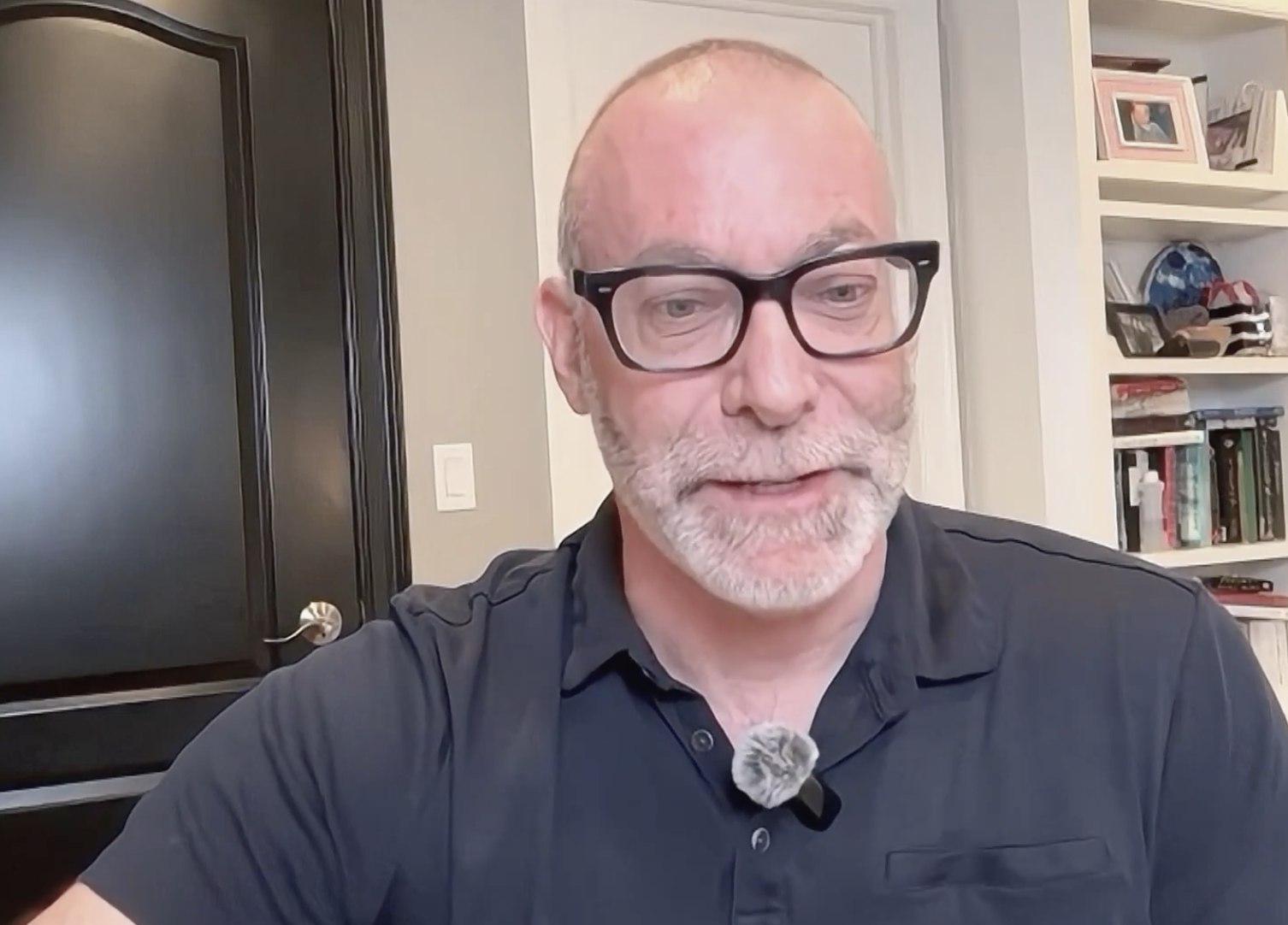
Why College Students Are at Higher Risk
While anyone can contract meningococcal disease, college students and teens living in close quarters face an elevated risk. Everyday social behaviors common on college campuses—such as sharing utensils, sharing food, or kissing—can easily spread the bacteria responsible for the infection.
Although meningococcal disease is relatively uncommon, its severity cannot be overstated:
- Rapid Progression: Early symptoms often mimic the common flu, but the condition can escalate rapidly within hours.
- Severe Complications: The infection can cause permanent physical damage, limb loss, or even death.
- Vaccination Gaps: Many children receive routine meningitis vaccinations during early adolescence, but certain strains may not be covered by standard initial vaccines.
A Firsthand Perspective: Jamie’s Story
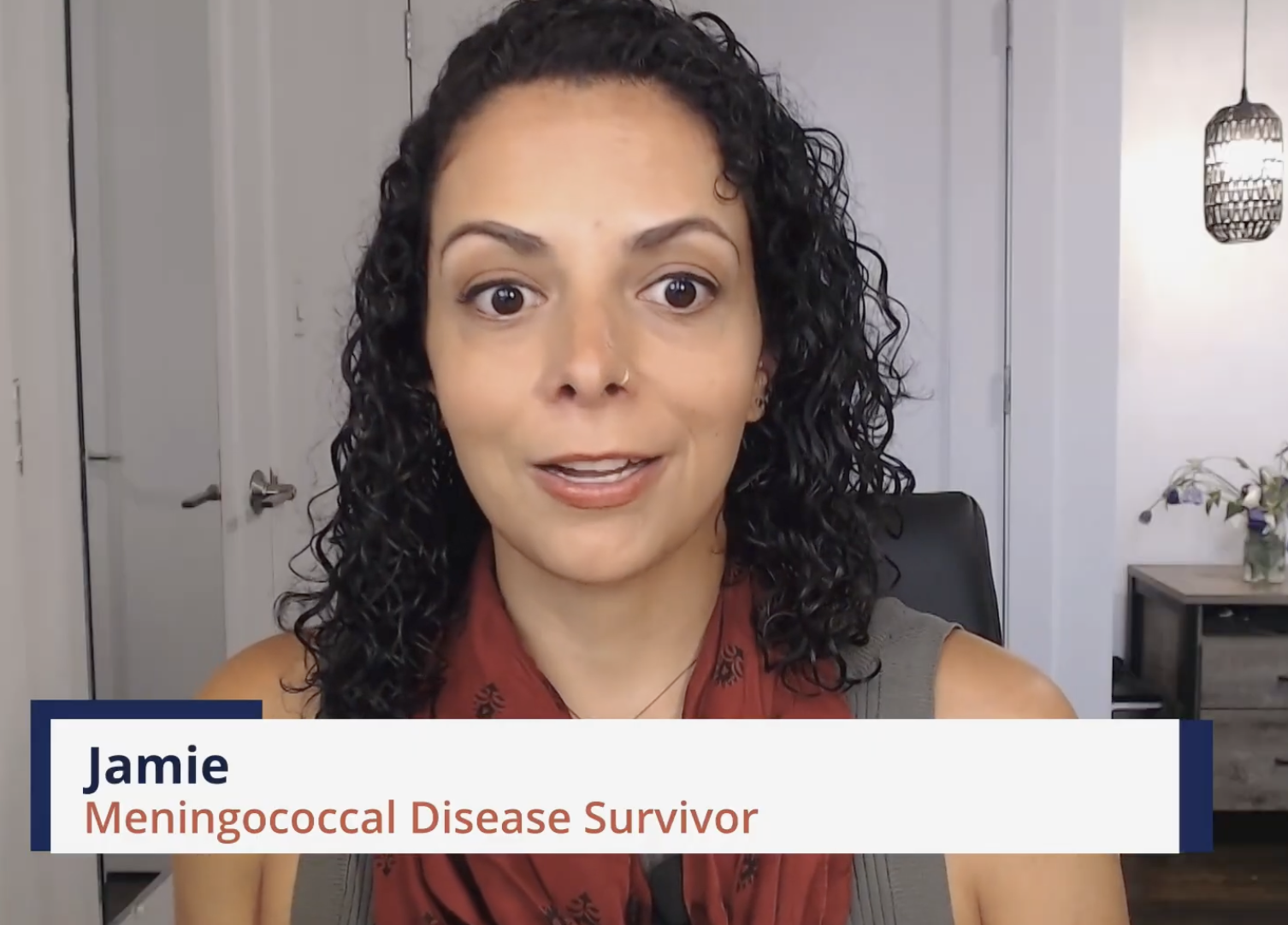
To highlight the speed and severity of the disease, survivor Jamie shared her personal experience during the segment. At 20 years old, what started as basic flu-like symptoms quickly turned critical overnight.
“My first onset symptoms were very flu-like, and then it progressed quite rapidly within one evening. It was pretty scary immediately… I saw my limbs go from a red rash to purple to black to literally dying off.” — Jamie, Meningococcal Disease Survivor
Jamie’s parent recalled receiving the urgent call from the hospital, urging other parents not to take risks: “If there’s anything that I can say as a parent, please talk to your teen’s doctor. Get yourself empowered and informed.”
Protecting Your Teen: The “Ask To Be Sure” Campaign
A new public health campaign is focusing on warning parents and students about the risks of meningococcal disease before the academic year begins. Jamies mother, Patsy, is urging parents to educate their children. Parents sending a child off to college should take two critical steps:
- Consult Your Healthcare Provider: Speak directly with your teen’s doctor to review their vaccination records and ask if they are fully protected against all strains of meningococcal disease.
- Access Resources: Visit ask2bsure.com (supported by GSK) to learn more about the signs, risks, and prevention strategies.
Watch our video here:
Also on Coast to Coast
-
Coast to Coast with Heather Dawson — Episode 143: Around the World & Full Throttle
-
Coast to Coast with Heather Dawson — Episode 142: Ireland, Iconic Voices & Viral Surprises
-
Coast to Coast with Heather Dawson — Episode 141: California Adventures, Inspiring Voices & Unforgettable Discoveries
-
NAVIGATING SUMMER COVID-19 SURGES: PREVENTATIVE OPTIONS AND NEW TREATMENTS
-
Coast to Coast with Heather Dawson — Episode 138: Inspiring Stories, Entertainment & Summer Adventures