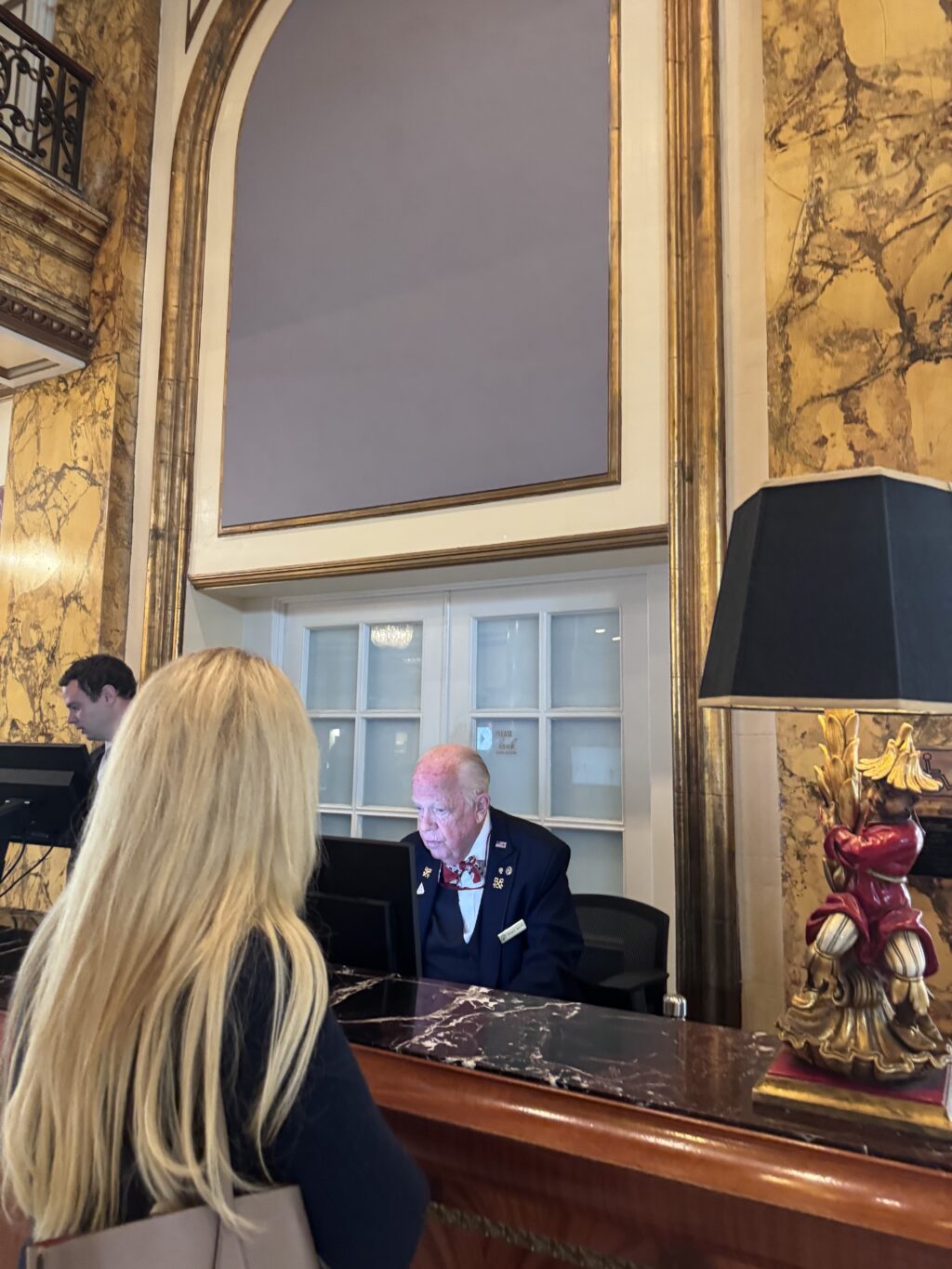

If you’ve ever dreamt of stepping into San Francisco’s storied past while enjoying modern luxury, there’s no better place to stay than the legendary Fairmont San Francisco atop Nob Hill. During our recent weekend getaway, we discovered that this isn’t just a beautiful hotel—it’s one of the most fascinating landmarks in California.
Perched at the highest point of Nob Hill—once nicknamed “Snob Hill” because of the incredible wealth concentrated there—the Fairmont has welcomed presidents, royalty, celebrities, and world leaders for more than a century. Even its name tells a story: “Fair” honors mining magnate James Graham Fair, while “Mont” comes from the French word for mountain, a fitting tribute to its commanding location overlooking the city.
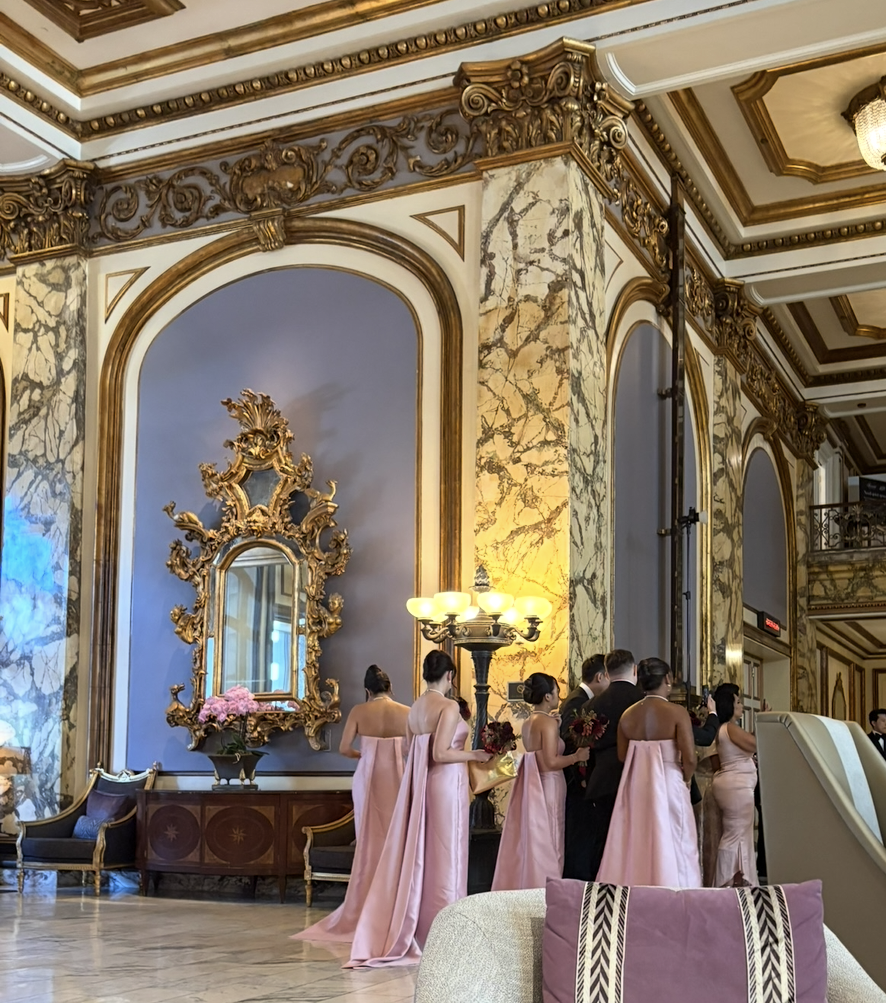
The Hotel That Survived History
Following the Gold Rush of 1849 and the silver discoveries of the Comstock Lode in 1859, fortunes were made almost overnight. Four Irish immigrants known as the Bonanza Kings helped build San Francisco into one of the wealthiest cities in the world, and Nob Hill became home to extravagant mansions and grand hotels.
Although the Fairmont was heavily damaged during the devastating 1906 earthquake and fire, its innovative steel-frame construction allowed it to survive when much of San Francisco did not. The hotel reopened just one year later, becoming a symbol of the city’s resilience.
Across the street, you’ll also find the historic Flood Mansion, one of the few Nob Hill mansions to survive both the earthquake and fire. Today it serves as the prestigious Pacific-Union Club.
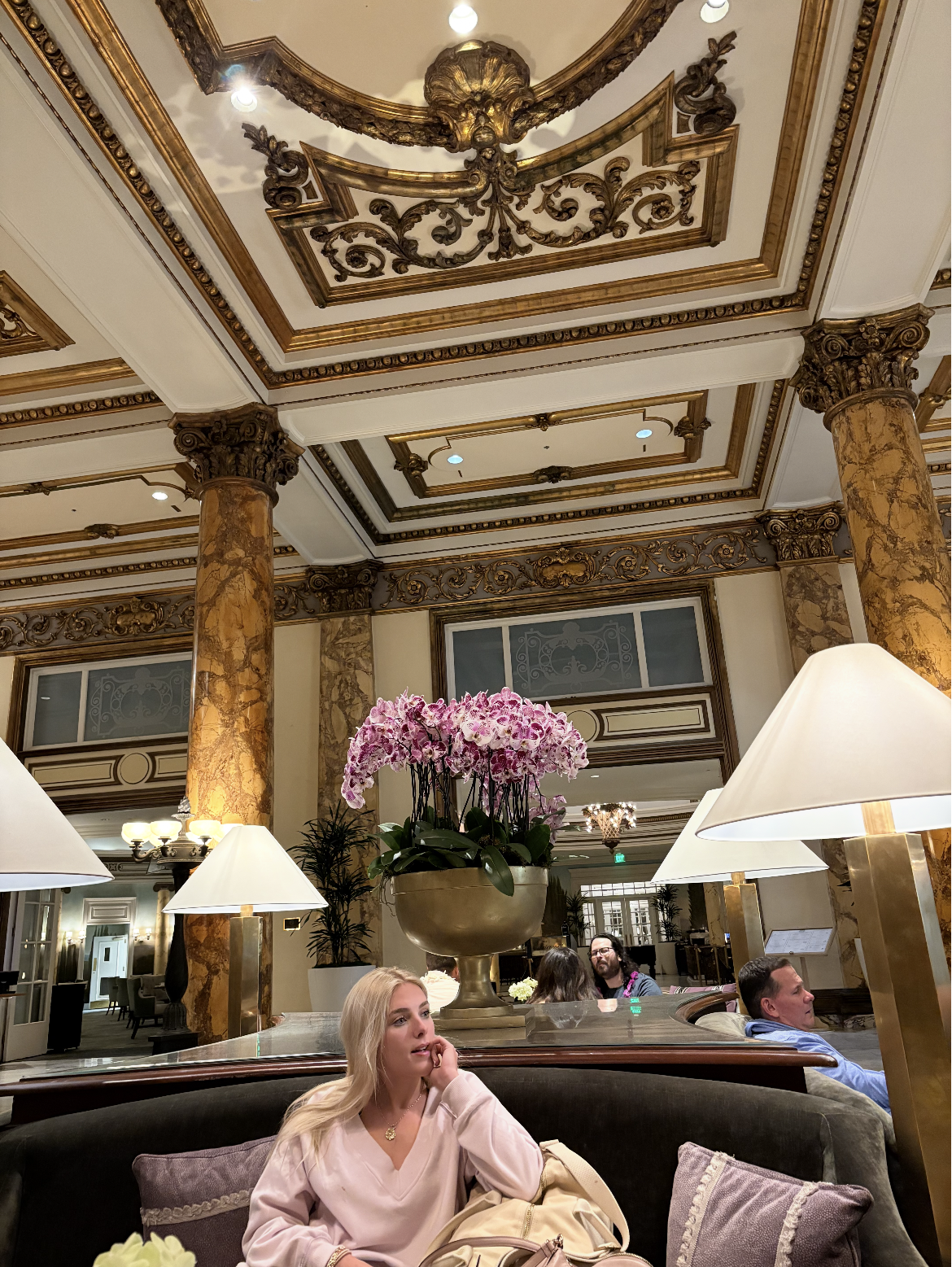
Meeting Tom Wolfe: America’s First Concierge
What makes this hotel and city so special is its rich history. While checking in, we had the opportunity to meet a living piece of hotel history – Tom Wolfe. Tom Wolfe is accredited with being America’s first hotel concierge, a massive contribution to hotel culture. While working at the Ritz in London and Hotel Lancaster in Paris, he learned the European tradition of hotel concierge services. Upon returning to the US, he realized the hotel-concierge profession did not exist here. He began his career at Fairmont San Francisco as a duty manager. About a month later, he was enlisted by Fairmont owner Richard Swig to create and lead a concierge program. By 1974, he was serving as the pioneering hotel concierge.
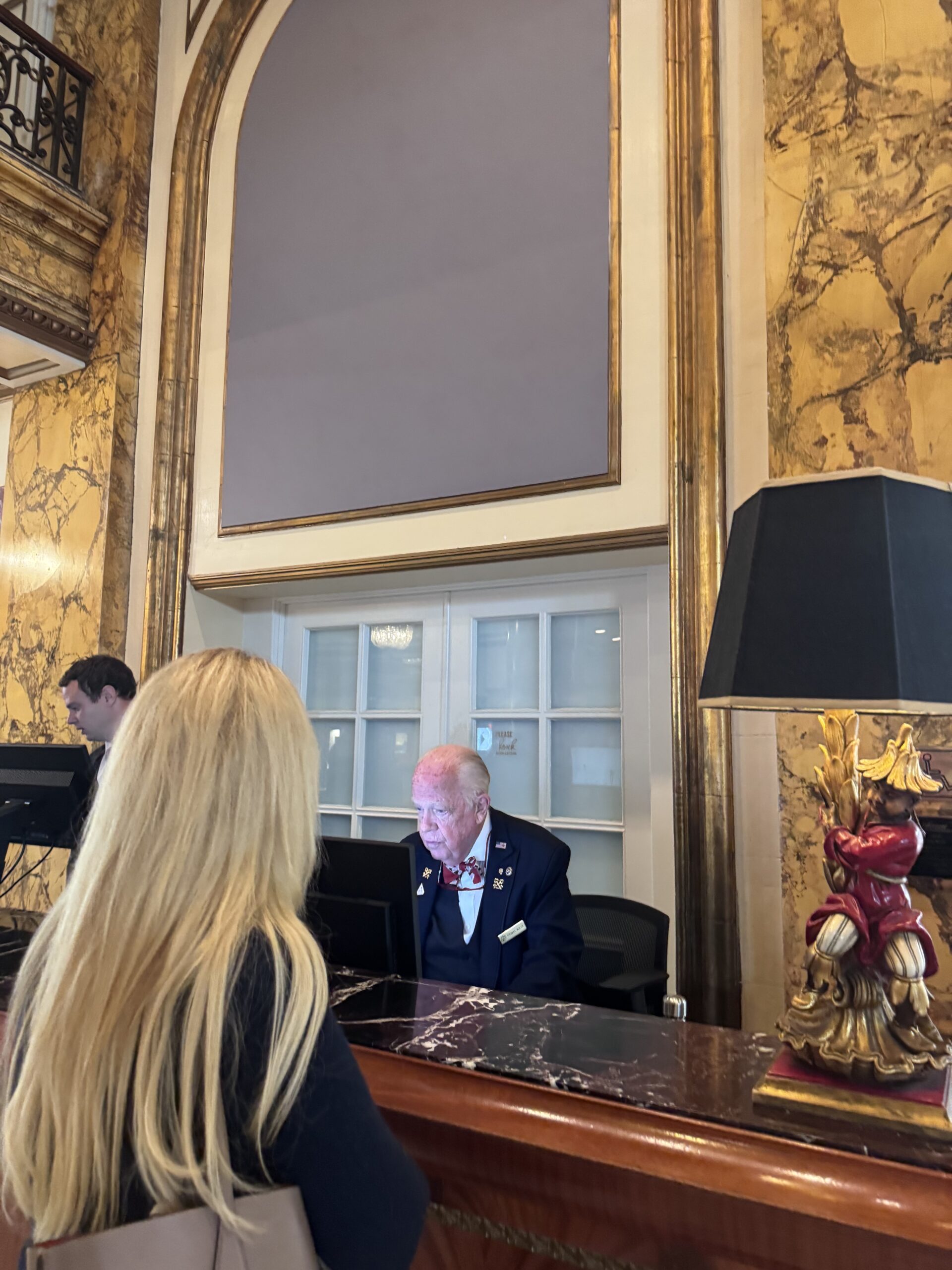
Wolfe went on to found the U.S. branch of Les Clefs D’Or, a prestigious international association of elite concierges. He continued to become a pioneering concierge in Japan later on. He speaks 5 languages and is extremely dedicated to his craft – following the philosophy that a concierge should be a guest’s one-stop person to make things happen.
Fairmont now identifies him as its Director of Heritage and he was recently featured as America’s First Concierge in their global campaign.
It was amazing to meet him! He was incredibly kind and attentive, and had a calming pretense to him. After learning his story, our impression of him is definitely cemented! We are inspired by his dedication and leadership.
Architectural Beauty Around Every Corner
One of the highlights of our guided city tour was learning about the remarkable design of the Fairmont.
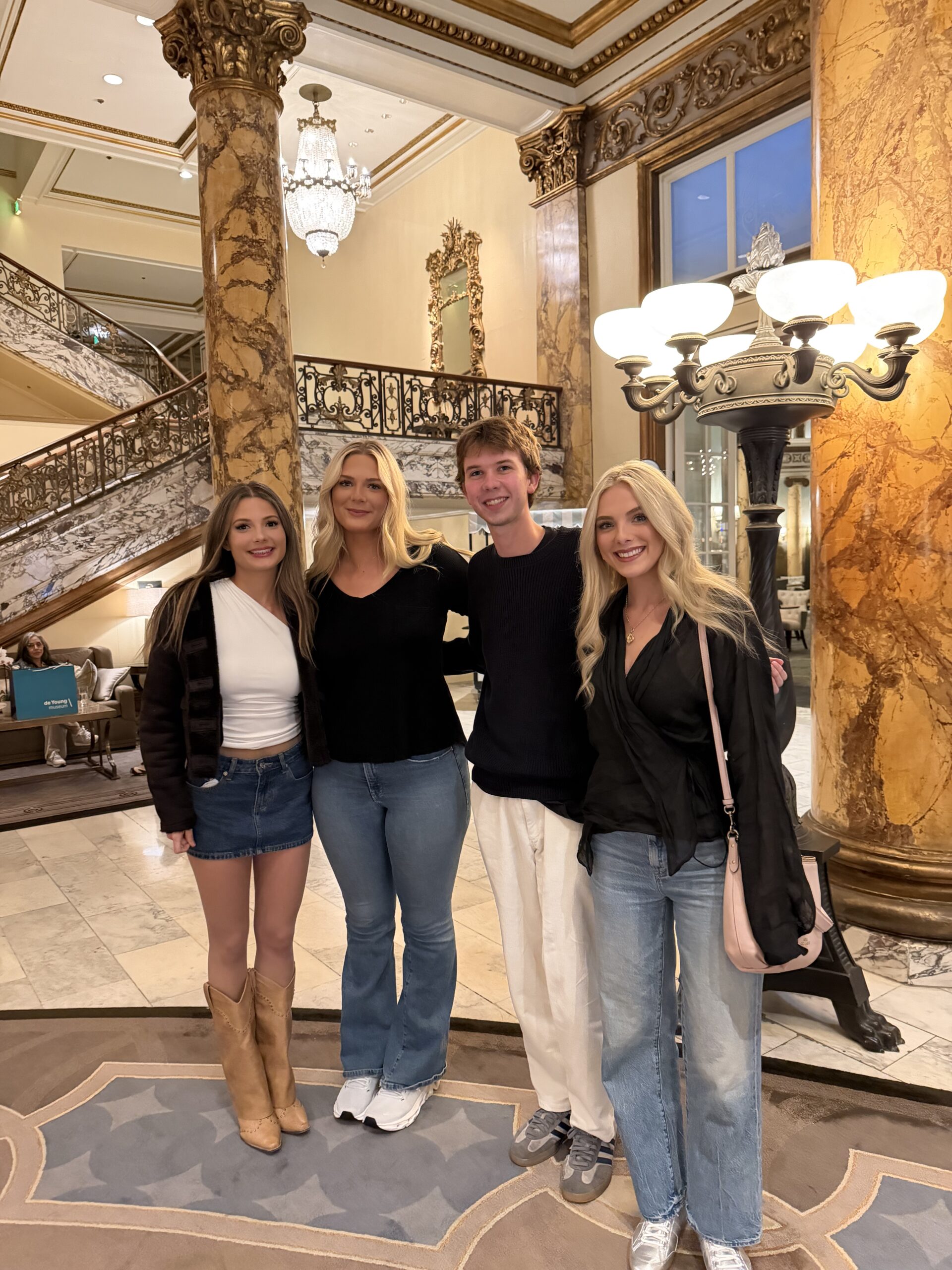
The hotel’s original architect, Stanford White, created a building that blendsBeaux-Arts elegance with classical European influences. Rather than feeling overly ornate, the architecture balances grandeur with clean lines and timeless sophistication.
Some of our favorite details include:
- A spectacular Venetian-inspired decorative roofline featuring intricate lace-like detailing.
- Bold purple accent walls—an unexpected design element that was ahead of its time.
- Luxurious red velvet accents throughout the lobby.
- Rich marble, soaring ceilings, and dramatic architectural symmetry that immediately make guests feel they’ve stepped into another era.
After the earthquake, pioneering architect Julia Morgan—best known for designing Hearst Castle—helped oversee portions of the rebuilding effort, ensuring the Fairmont remained one of California’s architectural masterpieces.
Interior designer Dorothy Draper, considered one of the most influential designers of the twentieth century, later added her signature glamorous touches that continue to define the hotel’s elegant atmosphere today.
Where World History Was Made
The Fairmont is far more than a luxury hotel.
In 1945, delegates from around the world gathered here during the founding of the United Nations. Many of the final negotiations for the U.N. Charter took place inside the Fairmont before the historic signing nearby.
Today, flags representing U.N. member nations proudly line the front of the hotel. During championship celebrations, the hotel also lights its iconic façade in the colors of San Francisco’s beloved sports teams, including the Giants and Warriors.
The Legendary Tonga Room
No visit to the Fairmont is complete without experiencing the famous Tonga Room & Hurricane Bar.
Opened in the 1940s during America’s fascination with Polynesian culture, the Tonga Room is unlike any restaurant in the country.
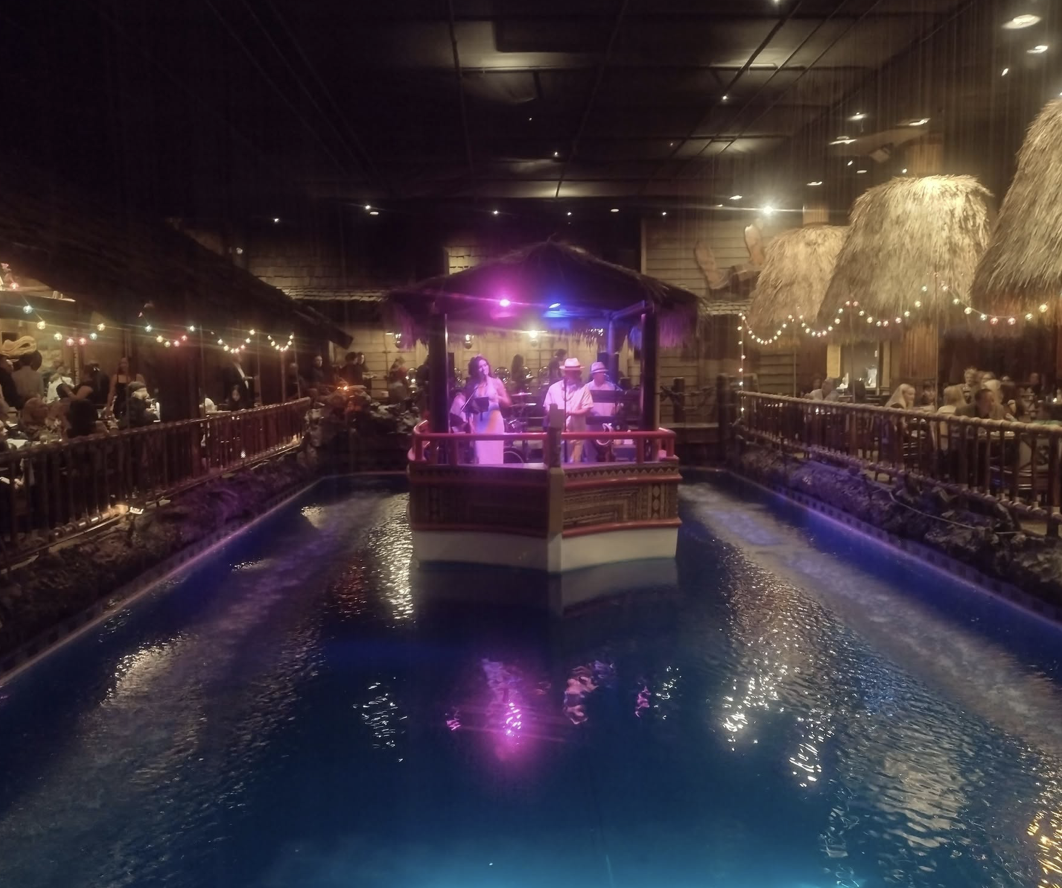
Imagine dining beside a real indoor lagoon while musicians perform from a floating boat. The dance floor was built from reclaimed ship materials, tropical rainstorms appear overhead, and guests sip legendary rum cocktails—many featuring honey harvested from the hotel’s own rooftop beehives.
Yes… the Fairmont has maintained rooftop beehives for decades, and the honey is still used throughout the property.
A Stage for Legends
The Fairmont has long been one of America’s great entertainment venues.
Music promoter Ben Swig helped transform the hotel into a welcoming destination for performers of every background during a time when racial discrimination was still common. Artists who were often denied accommodations elsewhere were welcomed here with suites for themselves and their entire bands.
The Fairmont has hosted countless legendary performers, including Tony Bennett, whose signature song, I Left My Heart in San Francisco, became forever linked with the hotel. Bennett was also an accomplished painter, and guests can view artwork celebrating his legacy throughout the property.
The Tonga Room has welcomed generations of musicians, including Tina Turner, whose celebrated comeback performances helped cement the venue’s legendary status.
The Tonga Room, captured by Marty Chin in 2024, which is “still rocking!”
A Weekend We’ll Never Forget
Sometimes a hotel is simply a place to sleep.
The Fairmont San Francisco is something entirely different.
It’s a living museum where Gold Rush fortunes, remarkable architecture, world diplomacy, unforgettable music, and California history all come together under one roof.
Whether you’re admiring the breathtaking views from Nob Hill, enjoying a tropical cocktail at the Tonga Room, exploring the historic lobby, or simply soaking in over a century of stories, the Fairmont reminds visitors why San Francisco remains one of America’s most captivating cities.
For Coast to Coast with Heather Dawson, this was far more than a weekend getaway—it was a journey through the remarkable history that helped shape California and the world.
Also on Coast to Coast
-
Minor Hotels to Launch Australia’s Largest Integrated Resort Wellness Precinct at Avani Cypress Lakes
-
Texas Data Centers: A Call to Hit the Brakes
-
A New Chapter for California’s Redwoods
-
Coast to Coast with Heather Dawson — Episode 143: Around the World & Full Throttle
-
Boston Couple Turns Home Purchase into Luxury Seychelles Getaway