
Heart disease remains the leading cause of death for both men and women in the United States and worldwide. Yet, one of its primary drivers is a condition that gives absolutely no warning.
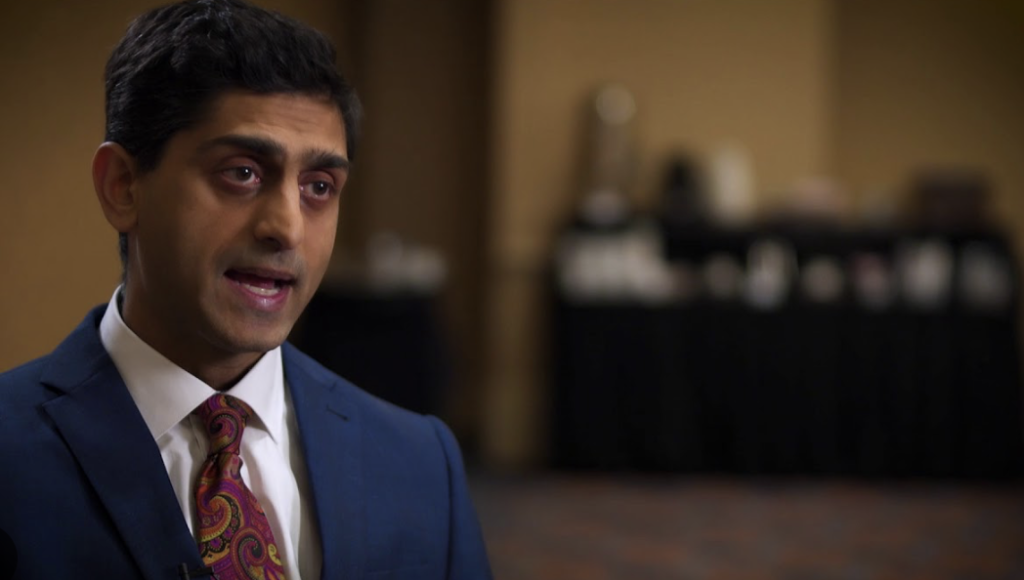
On this segment of Coast to Coast, co-host Lisa Spalla sits down with leading cardiologist Dr. Dharmesh Patel to unpack newly released clinical guidelines providing critical direction to healthcare providers on diagnosing and managing high cholesterol—medically known as hyperlipidemia. As a board-certified clinical lipidologist and the Director of the Stern Cardiovascular Lipid Clinic, Dr. Patel brings an elite level of specialized expertise in cholesterol management and preventative medicine. The takeaway from the experts is clear: being proactive about your cardiovascular health is the ultimate key to longevity.
The Silent Risk Factor
“High cholesterol has no voice,” warns Dr. Patel. “Your heart attack could be your last symptom.”
In fact, a startling 51 percent of cardiovascular patients report feeling completely fine the day before experiencing a heart attack. Because high cholesterol does not cause obvious physical discomfort, regular medical screenings are crucial to catching it before a major cardiovascular event occurs.
Why Diet and Exercise Aren’t Always Enough
A common misconception among patients is that high cholesterol can always be managed entirely through lifestyle changes. While a clean diet and consistent exercise are vital components of overall wellness, they only control a fraction of the puzzle.
- 25 percent of the cholesterol in our body comes directly from our diet.
- 75 percent of our body’s cholesterol is produced internally by our own systems.
Because genetics play a massive role in that 75 percent baseline, lifestyle modifications alone frequently fall short of bringing numbers down to safe levels.
Modern Paths to Prevention
The good news is that modern medicine offers powerful, highly effective tools for cardiovascular defense. Dr. Patel notes that routine statin and non-statin therapies have been proven to safely and effectively reduce dangerous LDL (low-density lipoprotein) levels by 20 to 60 percent.
Because the body creates the vast majority of its own cholesterol, these medical therapies bridge the gap that diet and exercise simply cannot reach. By utilizing these safe and highly studied treatments, individuals can dramatically alter their long-term health trajectory and significantly lower their risk of stroke or heart failure.
A Call to Action: Be Proactive, Not Reactive
Ultimately, the goal of the updated guidelines is to shift public habits from a reactive mindset to a proactive stance. Dr. Patel emphasizes that waiting for symptoms to appear is the most dangerous approach a person can take. Instead, adults should prioritize preventative screenings at an early age to understand their baseline numbers before complications arise.
If you or a loved one has avoided dealing with high cholesterol out of fear of medication side effects, the expert message is clear: do not let yourself become a statistic. Initiating an early, transparent conversation with your primary care provider or cardiologist can open up a wide variety of therapeutic avenues tailored to your specific body chemistry.
For more information on alternative medical options for managing your cholesterol, visit statinalternatives.info.
Watch our video here!
Also on Coast to Coast
-
Coast to Coast with Heather Dawson — Episode 143: Around the World & Full Throttle
-
Coast to Coast with Heather Dawson — Episode 142: Ireland, Iconic Voices & Viral Surprises
-
Coast to Coast with Heather Dawson — Episode 141: California Adventures, Inspiring Voices & Unforgettable Discoveries
-
NAVIGATING SUMMER COVID-19 SURGES: PREVENTATIVE OPTIONS AND NEW TREATMENTS
-
WHAT PARENTS NEED TO KNOW ABOUT MENINGOCOCCAL DISEASE BEFORE COLLEGE MOVE-IN