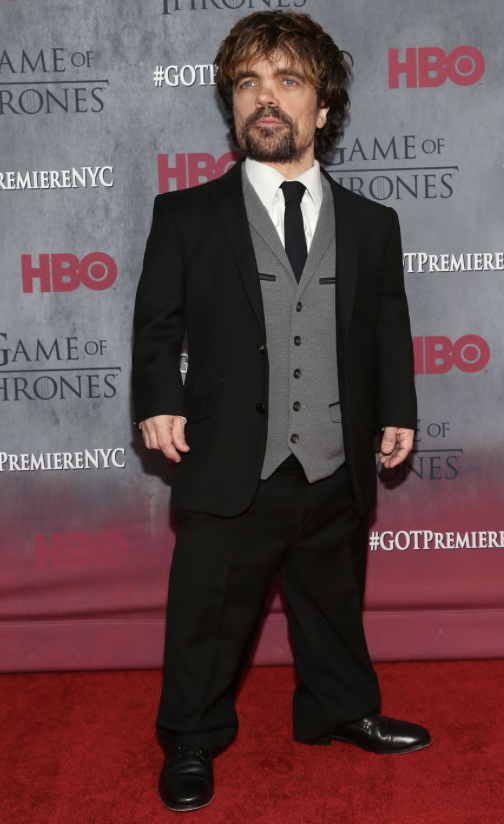

You probably know Peter Dinklage from his Emmy-winning turn as Tyrion Lannister in Game of Thrones — or maybe as the scene-stealing Miles Finch in the holiday classic Elf. What you may not know is that Dinklage was born with achondroplasia (uh-KON-droh-PLAY-zhuh), the most common genetic form of dwarfism. And according to Dr. Chaya Murali, a pediatric geneticist at Texas Children’s Hospital in Houston, most people — even those who recognize the word — don’t fully understand what the condition actually involves.
Coast to Coast’s Elise Thuresson sat down with Dr. Murali, who specializes in skeletal dysplasias at Baylor College of Medicine, to set the record straight.
It’s Not Just About Height
The biggest misconception Dr. Murali encounters? That achondroplasia only affects how tall someone grows.
“One of the most common misconceptions about genetic skeletal dysplasias — which are just disorders where you have differences in your bone structure and development over time — is that they only affect height,” she explained. “But it turns out that they actually affect multiple parts of the body. So it’s really a multi-system disorder.”
The Health Complications Families Need to Know About
Dr. Murali outlined a range of medical complications that can accompany the condition. People with achondroplasia can experience decreased muscle strength compared to others their age. Brain and spinal cord anatomical differences can lead to breathing issues. Recurrent ear infections are common due to differences in ear anatomy, and fluid buildup can result in hearing loss. Differences in facial structure can also contribute to breathing challenges.
Understanding these potential complications early is exactly why diagnosis matters so much.
How Is It Diagnosed?
Achondroplasia can sometimes be suspected during pregnancy, though Dr. Murali notes that more commonly it isn’t identified until after birth — when a baby’s body shape raises questions. Confirmation requires genetic testing, done through either a cheek swab or a blood sample.
“Diagnosing early makes your child — or yourself — able to see the specialists you need to see to get the care you need,” she said. “That’s why it’s really important to get diagnosed early.”
What Management Looks Like
Because achondroplasia affects so many systems in the body, care typically involves a whole team of specialists — a pediatric geneticist, an orthopedic surgeon, an ear, nose, and throat doctor, a hearing specialist, and physical therapists, often all working together. And the landscape of treatment is expanding, with pharmacological options now available as well.
Achondroplasia is rare and extends far beyond the conception of affecting height. Dr. Murali encourages us all to stay educated and informed, while advocating for inclusivity and appropriate diagnoses.
For more information on the condition and how it’s managed, visit AskAboutAchondroplasia.com.
Also on Coast to Coast
-
A Celebrity Kitchen With a Lasting Impact
-
Coast to Coast with Heather Dawson — Episode 143: Around the World & Full Throttle
-
Coast to Coast with Heather Dawson — Episode 142: Ireland, Iconic Voices & Viral Surprises
-
Coast to Coast with Heather Dawson — Episode 141: California Adventures, Inspiring Voices & Unforgettable Discoveries
-
NAVIGATING SUMMER COVID-19 SURGES: PREVENTATIVE OPTIONS AND NEW TREATMENTS