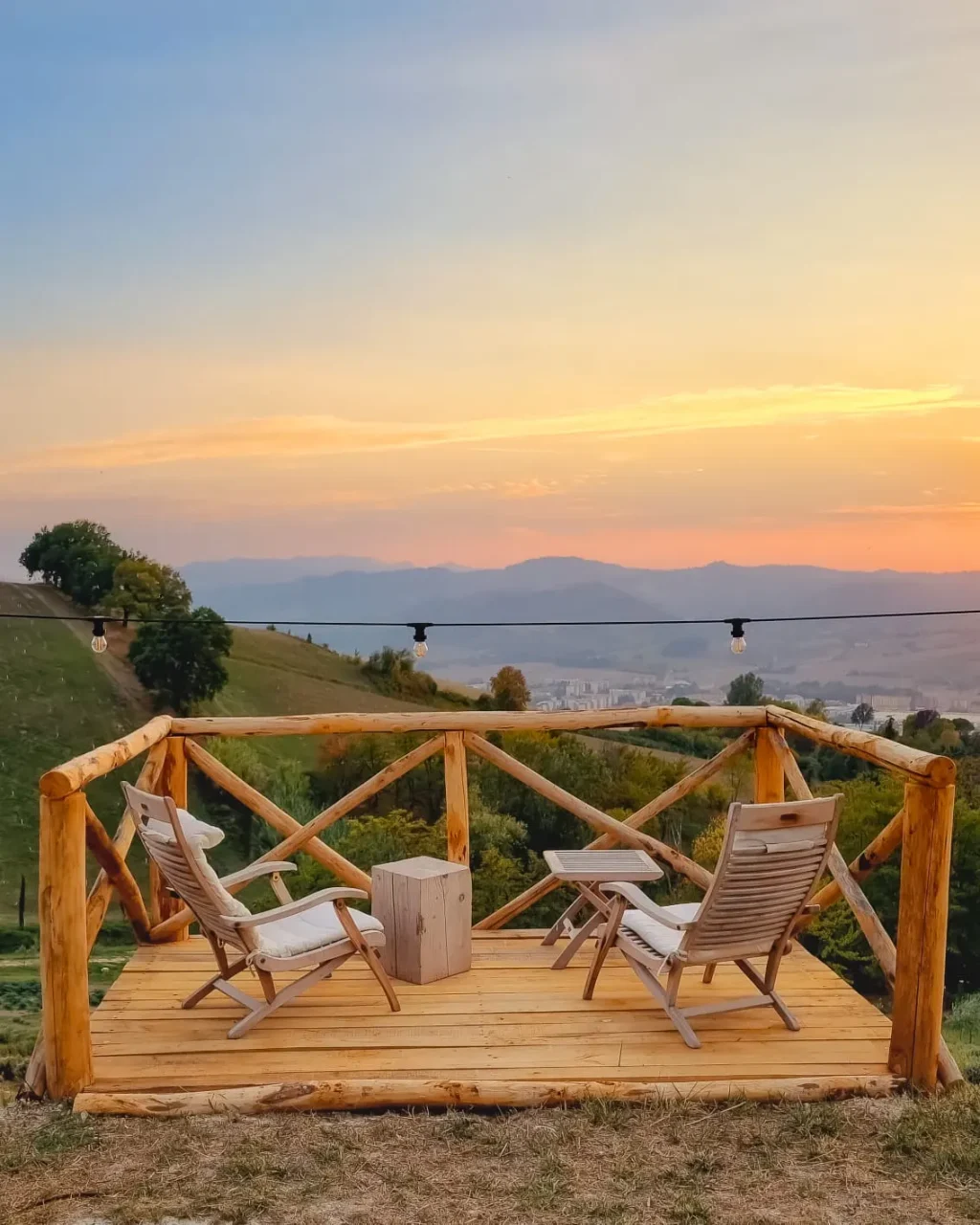

Most trips to Italy revolve around the same rituals.
A plate of pasta in Rome. A glass of wine in Tuscany. Gelato during an evening stroll through a historic piazza.
And while there’s nothing wrong with that, some travelers are looking for something deeper: not just tasting Italy’s food, but understanding where it comes from.
Across the country, a growing number of experiences are inviting visitors beyond restaurant tables and into the workshops, vineyards, farms, and family estates where Italy’s culinary traditions are still being preserved by hand.
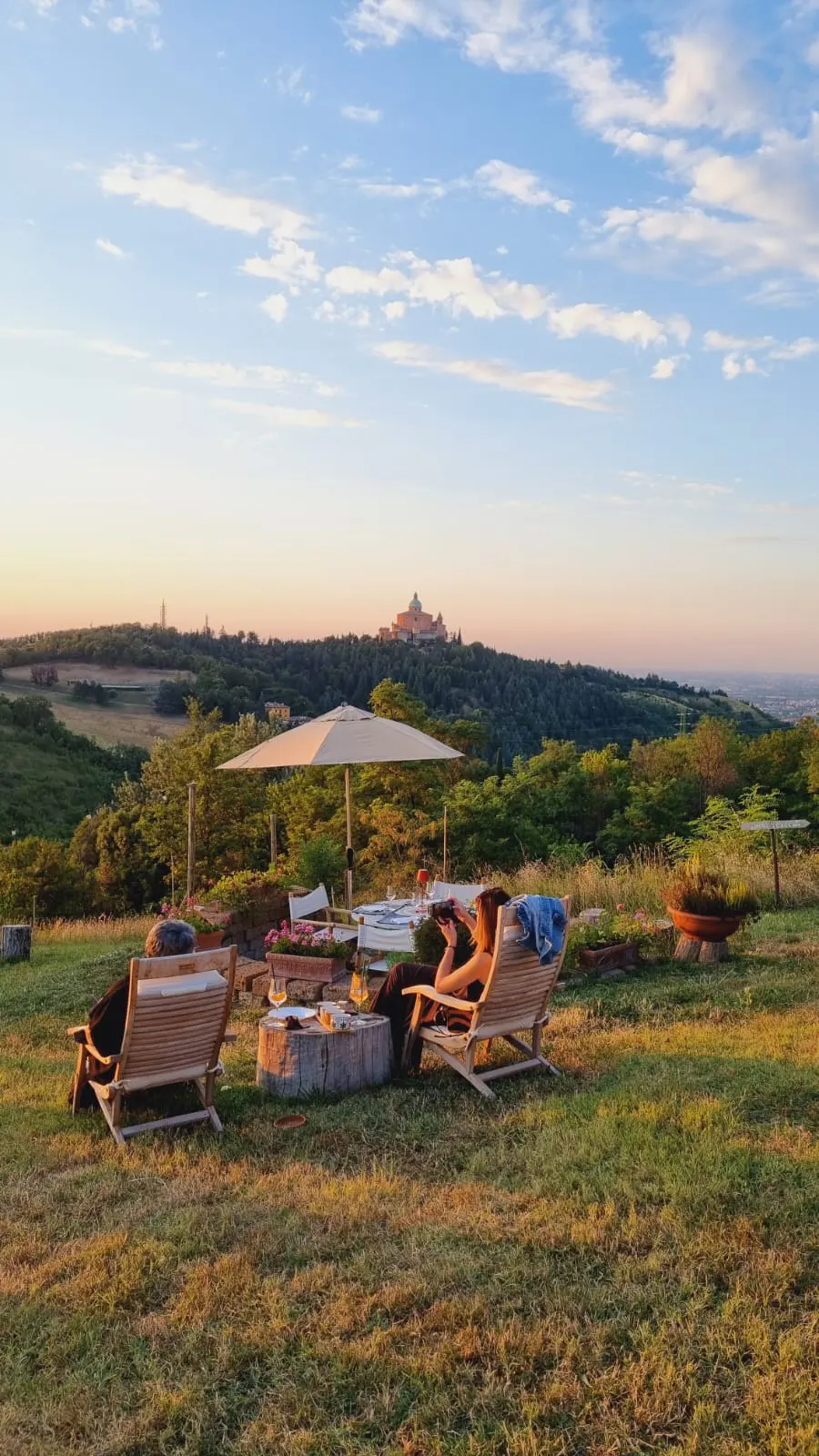
🌿 Food Tells a Story
One of the most rewarding parts of travel is discovering the stories behind what ends up on your plate.
In Italy, those stories often stretch back generations.
A bottle of olive oil may come from trees tended by the same family for decades. A wheel of cheese may be produced using techniques passed down through countless generations. A simple bowl of pasta can carry centuries of local history.
Experiencing these traditions firsthand offers a completely different perspective on Italian culture.
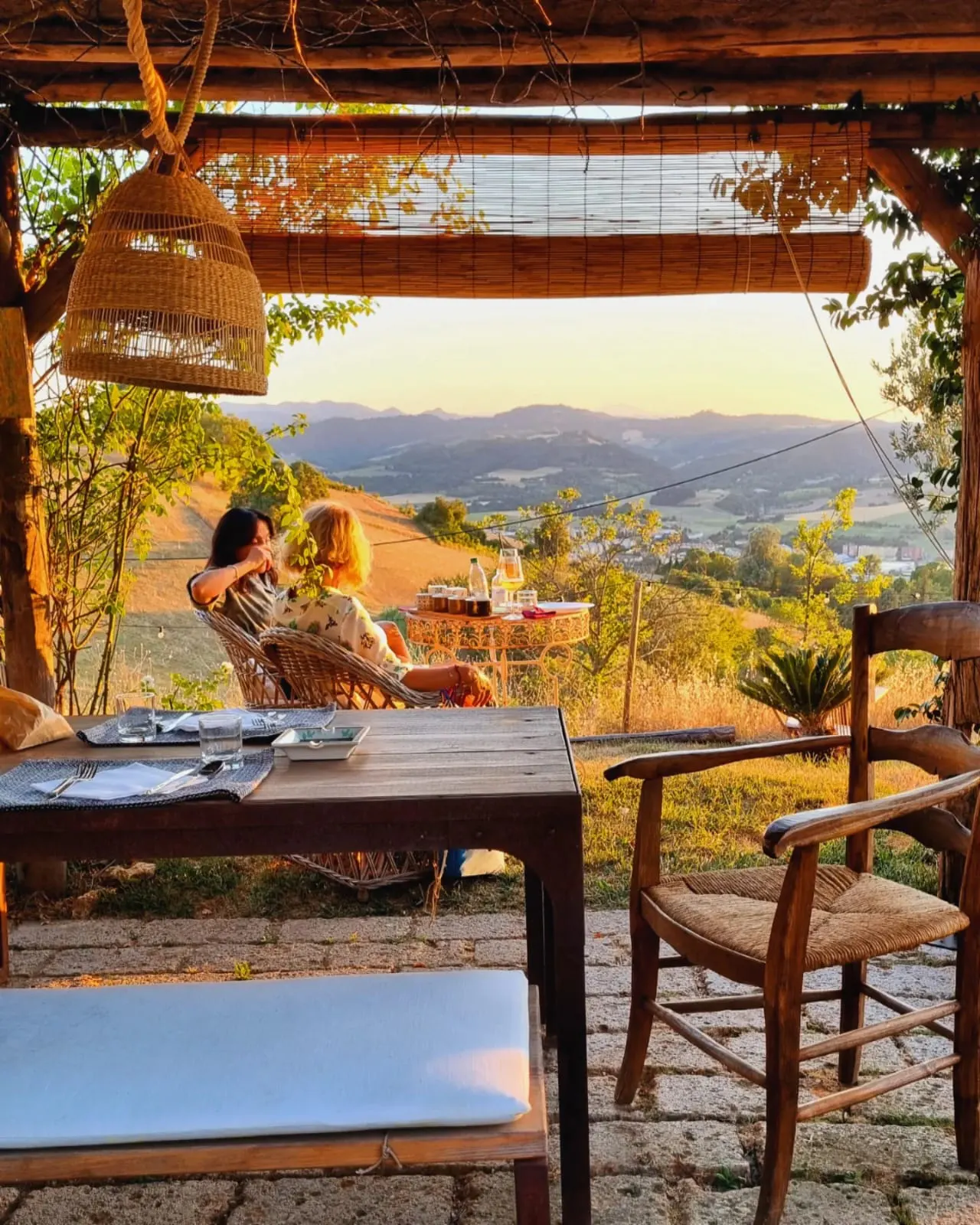
🍷 Beyond the Vineyard
Wine tasting is hardly a new concept in Italy.
But increasingly, travelers want more than a quick pour and a souvenir bottle.
In Tuscany’s Chianti region, for example, visitors can explore vineyards while learning about beekeeping traditions, historic aging cellars, and the relationship between agriculture, landscape, and local life. The experience becomes less about wine alone and more about understanding an entire way of living tied to the land.

🌾 The Craft Behind the Classics
Some of Italy’s most beloved foods are also its most labor-intensive.
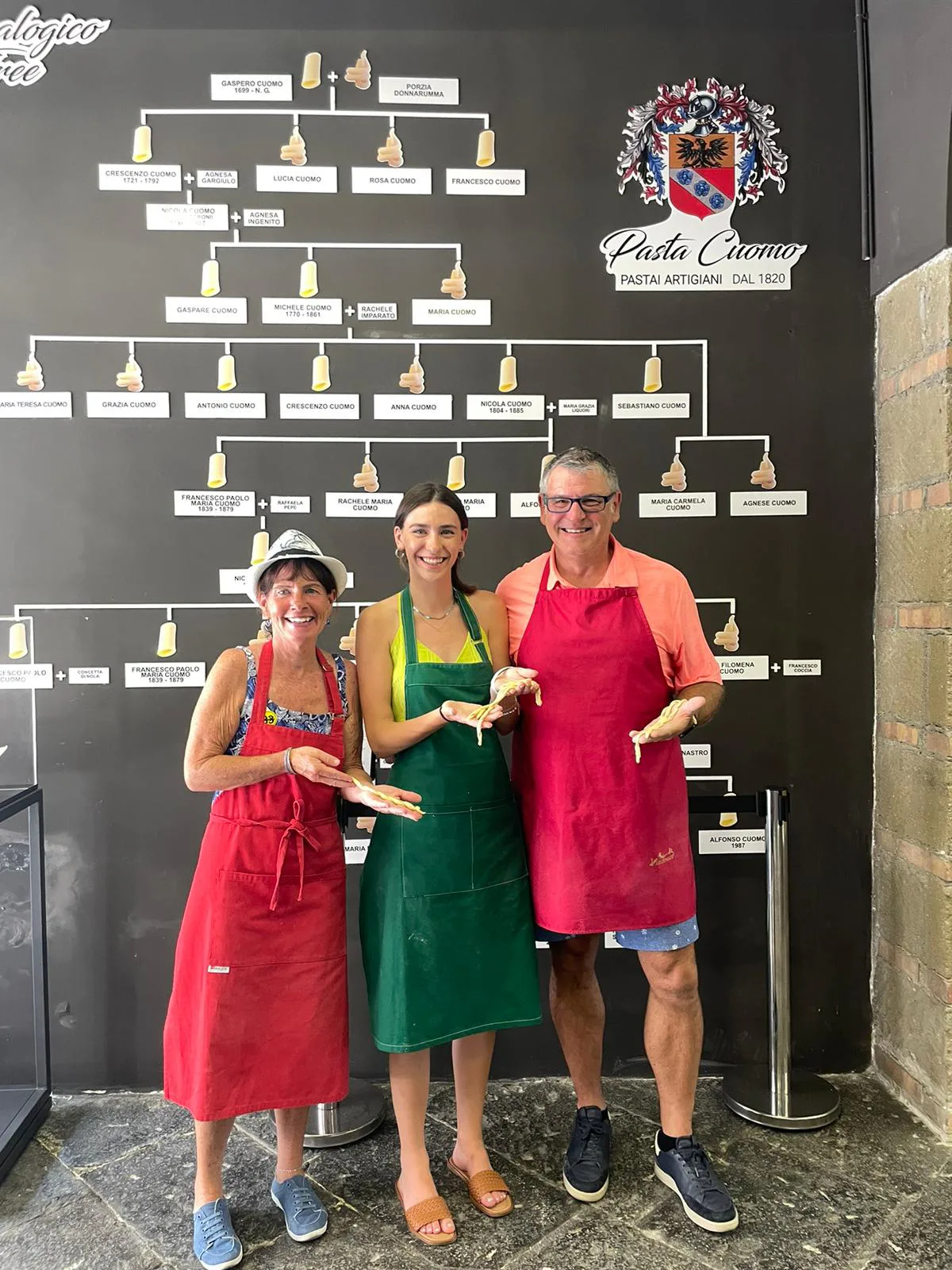
Near the Amalfi Coast, travelers can discover the centuries-old traditions that have made the town of Gragnano famous for pasta production. Here, artisans continue techniques that emphasize quality, patience, and craftsmanship, reminding visitors that authentic Italian food is often the result of generations of refinement.
It’s the kind of experience that makes your next plate of pasta taste a little different.
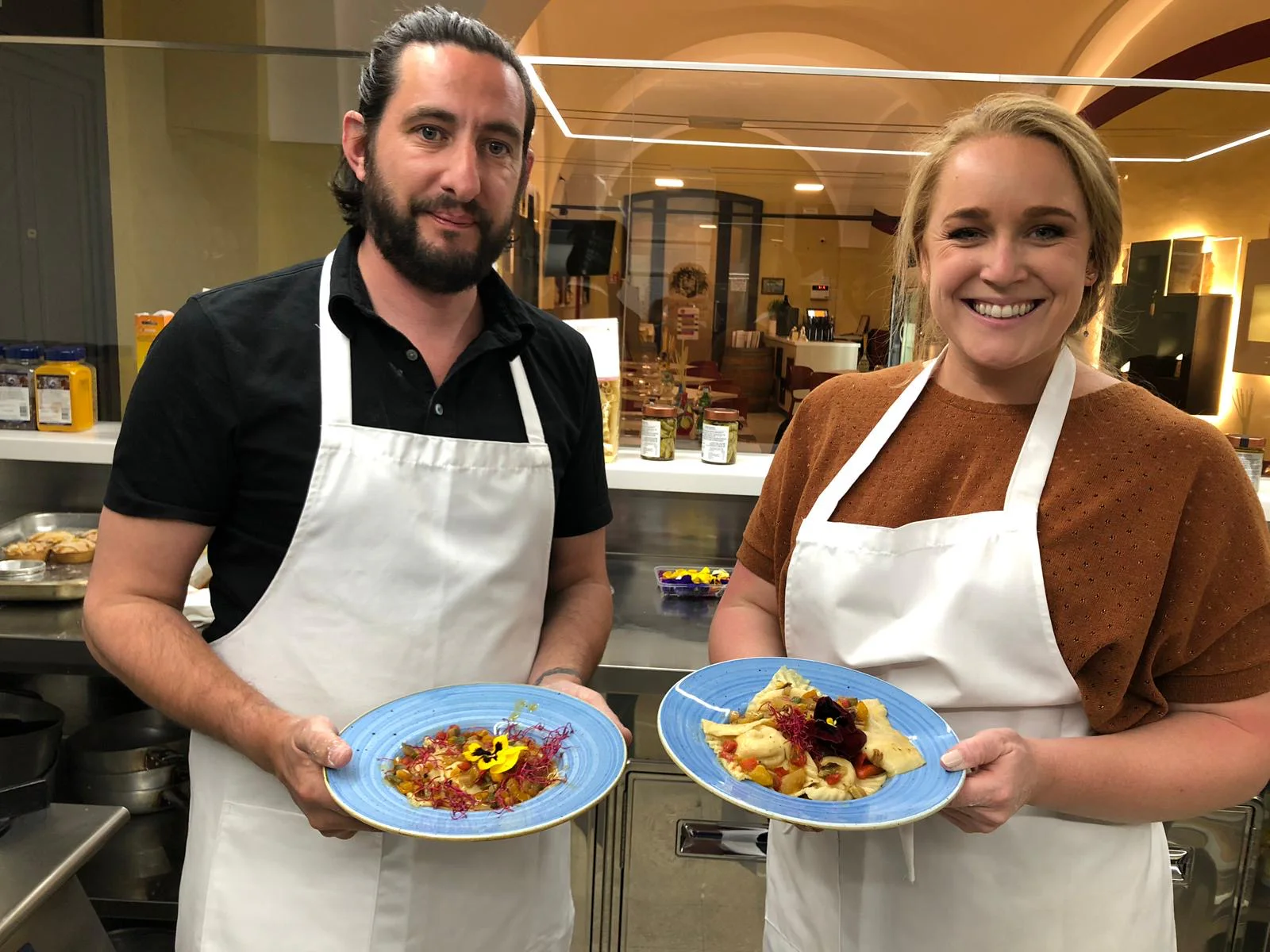
💜 Hidden Corners of the Countryside
Food experiences often lead travelers to places they might never have discovered otherwise.
A visit to a lavender-covered hillside outside Bologna. An olive grove tucked away in Sicily. A rural estate surrounded by vineyards where life moves at a slower pace.
These settings provide some of the most memorable travel moments because they reveal a side of Italy that exists beyond the major cities and famous landmarks.

🧀 Why Food Tourism Is Changing
Today’s travelers are increasingly interested in authenticity.
They’re seeking experiences that feel personal, local, and connected to the communities they visit. Rather than simply consuming a destination, many want to understand it.
Food naturally provides that connection.
Sharing a meal with a producer, walking through a family vineyard, or learning how a regional specialty is made offers insights that guidebooks simply can’t replicate.
✨ A Different Way to Experience Italy
Italy has never struggled to attract visitors.
But some of the country’s most meaningful experiences happen far from crowded attractions and bucket-list landmarks.
They’re found around kitchen tables, inside historic workshops, among rows of grapevines, and in conversations with the people who have dedicated their lives to preserving culinary traditions.
Because sometimes the most memorable souvenir isn’t a bottle of wine or a bag of pasta.
It’s the story behind it.
Also on Coast to Coast
-
Minor Hotels to Launch Australia’s Largest Integrated Resort Wellness Precinct at Avani Cypress Lakes
-
Back-to-School: Fueling Families with Frances Largeman-Roth
-
Texas Data Centers: A Call to Hit the Brakes
-
A New Chapter for California’s Redwoods
-
Coast to Coast with Heather Dawson — Episode 143: Around the World & Full Throttle