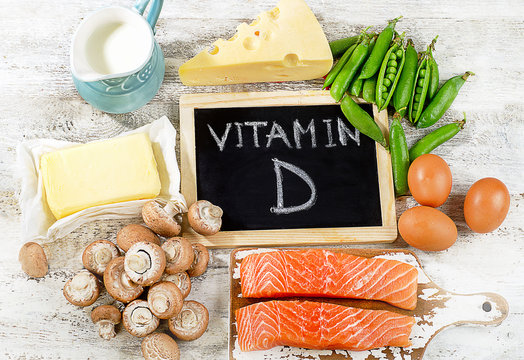

✨ A New Study Offers Hope for Women in Perimenopause
During perimenopause — the transitional phase leading up to menopause — hormonal fluctuations often trigger symptoms such as fatigue, mood swings, irritability, and insomnia within women typically in their mid-40s.
New research published in the journal Bioinformation on March 31, 2026, suggests that Vitamin D supplementation may offer meaningful relief for many women experiencing these challenges.
🌿 Vitamin D Shows Promising Results
A randomized, double-blind, placebo-controlled study involving 100 women between the ages of 40 and 55 examined the effects of Vitamin D supplementation on perimenopausal symptoms.
Participants in the study had:
- Low or low-normal Vitamin D levels (below 30 ng/mL)
- Symptoms of fatigue and mood changes
Half of the participants received higher-dose Vitamin D for two months to correct deficiencies, followed by a daily maintenance dose of 2,000 IU. The remaining participants received a placebo. The trial continued for six months.
The results were significant:
- 30% reduction in fatigue
- 39% improvement in mood
Researchers noted that Vitamin D provided sustained relief during a period marked by ongoing hormonal fluctuations.
💪 Why Vitamin D Matters
According to Dr. Jacob Teitelbaum, the findings are especially important because Vitamin D supplementation is both affordable and widely accessible.
He notes that approximately 60 to 70 percent of American adults — particularly women — have insufficient Vitamin D levels, which may contribute to a variety of health concerns, including bone loss, osteopenia, osteoporosis, and increased fracture risk.
🌞 The Sunshine Connection
Vitamin D is often called the “sunshine vitamin” because the body naturally produces it when skin is exposed to sunlight.
A long-term study conducted by researchers at Johns Hopkins University followed more than 13,000 individuals over 12 years and found that low Vitamin D levels were associated with a 26% increase in early mortality.
📋 Recommended Intake & Expert Guidance
Current recommendations from the National Academies of Sciences, Engineering, and Medicine suggest:
- 600 IU daily for adults ages 19–70
- 800 IU daily for adults age 71 and older
However, Dr. Teitelbaum believes many individuals may benefit from higher daily intake due to modern lifestyle factors, medication use, and chronic health conditions that can deplete nutrient levels.
His recommendation:
- 1,000–2,000 IU of Vitamin D daily
- Regular, safe sunlight exposure whenever possible
🌟 Final Thoughts
As more women seek natural, evidence-based approaches to managing perimenopause symptoms, Vitamin D supplementation may offer a simple and effective option for improving energy, mood, and overall well-being.
Also on Coast to Coast
-
Summer of Serenity: Reset, Recharge & Reconnect
-
Coast to Coast with Heather Dawson — Episode 143: Around the World & Full Throttle
-
Coast to Coast with Heather Dawson — Episode 142: Ireland, Iconic Voices & Viral Surprises
-
Coast to Coast with Heather Dawson — Episode 141: California Adventures, Inspiring Voices & Unforgettable Discoveries
-
NAVIGATING SUMMER COVID-19 SURGES: PREVENTATIVE OPTIONS AND NEW TREATMENTS